
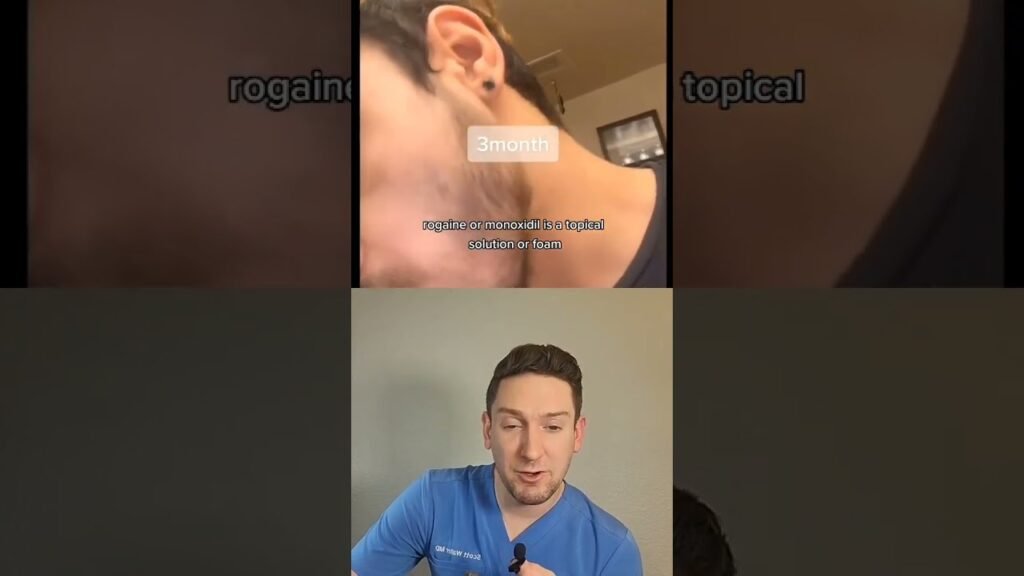
Understanding Minoxidil: What Is It and How Does It Work?
Minoxidil is a popular topical treatment primarily used to combat hair loss and promote hair regrowth. Originally developed as an oral medication for high blood pressure, it was discovered to have an intriguing side effect: hair growth. This discovery led to the formulation of minoxidil as a topical solution, making it a staple in the hair care industry. Available over-the-counter in various strengths, minoxidil is commonly used by individuals experiencing androgenetic alopecia, also known as male or female pattern baldness.
How Does Minoxidil Work?
The exact mechanism by which minoxidil stimulates hair growth is not entirely understood, but several theories provide insight into its effectiveness. One widely accepted explanation is that minoxidil acts as a vasodilator, meaning it widens blood vessels. By increasing blood flow to hair follicles, minoxidil ensures that they receive more oxygen and nutrients, which may help in revitalizing shrunken hair follicles and extending the growth phase of the hair cycle. Additionally, minoxidil is believed to open potassium channels, which might further promote hair follicle health and stimulate hair growth.
Usage and Application
Minoxidil is typically available in liquid or foam form and is applied directly to the scalp. For best results, it is recommended to use minoxidil consistently, usually twice daily. Users should apply the product to clean, dry hair and allow it to absorb into the scalp. It is important to follow the instructions provided with the product to maximize its effectiveness. While results can vary, many users report noticeable improvements in hair thickness and density after several months of regular use. However, its essential to note that discontinuing minoxidil may lead to a reversal of its effects, with hair loss resuming.
Can Minoxidil Be Used on Beard for Hair Growth?
Minoxidil, a popular over-the-counter treatment initially designed for scalp hair growth, has gained attention for its potential to stimulate beard growth. While primarily approved by the FDA for treating androgenetic alopecia on the scalp, many individuals have experimented with using Minoxidil on their facial hair. The idea is that Minoxidil works by improving blood flow to hair follicles, potentially encouraging dormant follicles to become active and thus fostering beard growth.
How Does Minoxidil Work for Beard Growth?
When applied to the face, Minoxidil may help increase the size of hair follicles and extend the anagen phase, the active growth phase of hair. This process can potentially result in a thicker and fuller beard over time. Users typically apply a topical solution or foam directly to their beard area twice a day, allowing it to absorb into the skin. Its important to follow the instructions carefully to minimize any side effects, such as skin irritation or dryness.
Considerations and Potential Side Effects
Before using Minoxidil on your beard, consider possible side effects. Although many users report positive results, some may experience skin irritation, dryness, or unwanted hair growth in adjacent areas. Conduct a patch test to determine skin sensitivity and consult a healthcare professional if you have concerns. Additionally, the effects of Minoxidil are not permanent, and discontinuation may lead to a gradual loss of any newly grown facial hair. Regular and consistent application is key for those seeking to maintain their results.
Benefits of Using Minoxidil on Beard
Minoxidil, originally developed as a treatment for high blood pressure, has gained popularity for its off-label use in promoting beard growth. One of the primary benefits of using Minoxidil on your beard is its ability to stimulate hair follicles, encouraging new growth in areas that may be sparse or patchy. By applying Minoxidil consistently, many users experience thicker and fuller facial hair, which can enhance overall beard aesthetics and boost self-confidence.
Enhanced Hair Follicle Stimulation
Minoxidil works by widening blood vessels and opening potassium channels, which allows more oxygen, blood, and nutrients to reach the hair follicles. This process not only helps in reviving dormant follicles but also strengthens existing ones, resulting in a healthier and more robust beard. The increased nutrient supply is crucial for individuals who struggle with slow or uneven beard growth, making Minoxidil an attractive option for achieving a more uniform beard.
Convenience and Accessibility
Another advantage of using Minoxidil for beard growth is its convenience and accessibility. Available over-the-counter in many regions, Minoxidil can be easily incorporated into daily grooming routines. It typically comes in liquid or foam formulations, allowing users to choose a method that best suits their preferences. Additionally, Minoxidil is generally affordable compared to other hair growth treatments, making it a practical choice for those seeking to improve their beard without significant financial investment.
Potential Side Effects of Applying Minoxidil on Facial Hair
When considering the use of Minoxidil for facial hair growth, its essential to be aware of potential side effects. While Minoxidil is widely recognized for its effectiveness in promoting hair growth, users may experience some adverse reactions. One common side effect is skin irritation, which can manifest as redness, itching, or a burning sensation on the area of application. This is often due to the alcohol or propylene glycol in the solution, which can dry out or irritate sensitive skin. To minimize these effects, it is advisable to conduct a patch test before full application and to follow up with a moisturizer.
Another potential side effect is unwanted hair growth in areas adjacent to the application site. Minoxidil can sometimes cause hair to grow in unintended areas, such as the cheeks or neck, due to accidental spreading during application. To avoid this, apply the solution carefully and wash hands thoroughly after use. If unwanted hair growth occurs, it might be necessary to adjust the application technique or consult with a healthcare provider for further advice.
Some users may also experience systemic side effects, although these are less common. Symptoms such as dizziness, headaches, or rapid heart rate can occur if Minoxidil is absorbed into the bloodstream in significant amounts. These side effects are rare but warrant immediate medical attention if experienced. Its important to follow the recommended dosage and not exceed the advised amount to reduce the risk of systemic absorption. As always, consulting with a healthcare professional before starting any new treatment is recommended to ensure safety and efficacy.
How to Apply Minoxidil on Beard for Best Results
To achieve the best results when applying Minoxidil to your beard, it’s essential to follow a consistent routine. Begin by ensuring your face is clean and dry, as this helps the product absorb more effectively into the skin. Use a gentle facial cleanser and pat your face dry with a clean towel. Applying Minoxidil on a damp face can dilute the product and reduce its effectiveness.
Step-by-Step Application Process
1. Measure the Correct Amount: Use the dropper or spray provided with your Minoxidil product to measure the recommended dosage, typically 1 milliliter (ml). Avoid using more than the suggested amount, as this won’t speed up results and may lead to irritation.
2. Apply Evenly: Using your fingertips, gently massage the Minoxidil into the areas of your beard where you want to see growth. Focus on areas that are patchy or sparse. Massaging in a circular motion can help stimulate the hair follicles and enhance absorption.
3. Allow to Dry: Let the Minoxidil dry completely before applying any other products or going to bed. This usually takes about 2-4 hours. Avoid washing your face or engaging in activities that may cause excessive sweating during this time.
Additional Tips for Optimal Results
– Consistency is Key: Apply Minoxidil twice daily, ideally in the morning and evening, for the best outcomes. Skipping applications can slow progress, so setting a routine can help maintain consistency.
– Monitor for Side Effects: Some users may experience dryness or irritation. If this occurs, consider using a moisturizer once the Minoxidil has dried, and consult with a dermatologist if irritation persists.
By adhering to these guidelines, you can optimize your use of Minoxidil and potentially enhance beard growth.

