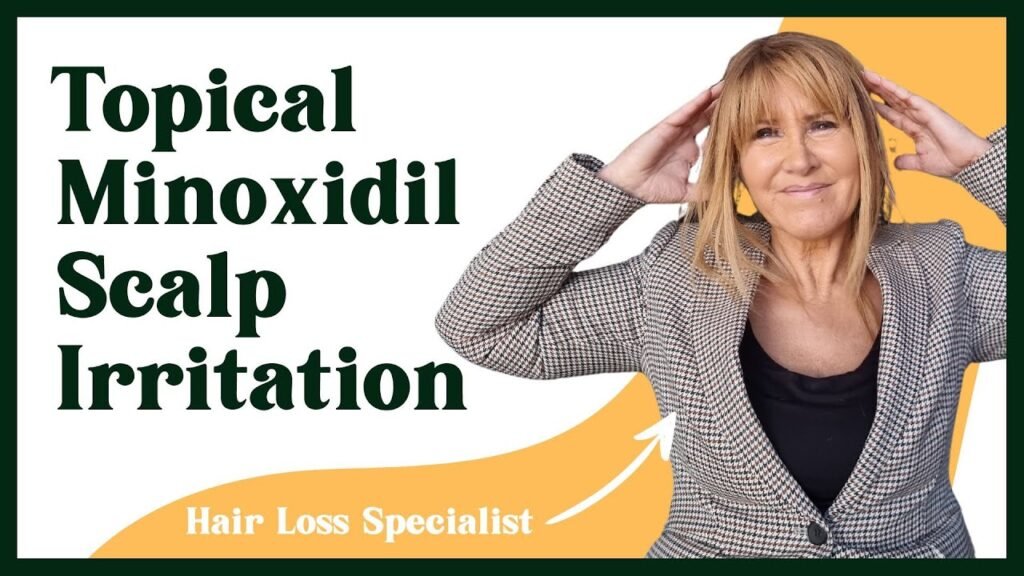
Understanding Minoxidil: How It Affects Sensitive Skin
Minoxidil is a popular topical treatment primarily used to promote hair growth in individuals experiencing hair thinning or loss. While it has been effective for many, those with sensitive skin often have concerns about how this treatment might affect them. Understanding how minoxidil interacts with sensitive skin can help individuals make informed decisions about its use.
When applied to the scalp, minoxidil works by dilating blood vessels, which can increase blood flow and, consequently, nutrient delivery to hair follicles. However, for individuals with sensitive skin, this increased blood flow and the alcohol-based solution commonly found in minoxidil formulations can lead to irritation. Symptoms may include redness, itching, or a burning sensation on the scalp. To mitigate these effects, it is essential to perform a patch test before full application and consider using a lower concentration of minoxidil, such as 2% instead of 5%, which may be gentler on sensitive skin.
For those with sensitive skin considering minoxidil, it is crucial to pay attention to the products ingredient list. Look for formulations labeled as fragrance-free and alcohol-free to reduce the risk of irritation. Additionally, incorporating a gentle, hydrating scalp care routine can help alleviate potential dryness and discomfort. This may include using a mild shampoo and conditioner, as well as moisturizing treatments specifically designed for sensitive scalps. By understanding the potential effects of minoxidil on sensitive skin and taking appropriate precautions, individuals can better manage their hair growth journey while minimizing adverse reactions.
Signs of Sensitivity: When to Reduce Minoxidil Usage
Understanding when to reduce minoxidil usage is crucial for maintaining both hair health and overall well-being. Scalp irritation is one of the most common signs of sensitivity to minoxidil. Users may experience redness, itching, or flaking on the scalp, indicating that the skin is reacting adversely to the product. If these symptoms persist, it may be necessary to decrease the frequency of application or consult a healthcare professional for alternative treatments.
Another sign that suggests a reduction in minoxidil usage is unwanted facial hair growth. While minoxidil is effective in promoting hair growth on the scalp, some individuals may notice increased hair growth on areas like the cheeks or forehead. This side effect is particularly common in women and can be distressing. Reducing the dosage or frequency of application can help mitigate this unwanted effect while still reaping the benefits for scalp hair growth.
Other Symptoms to Monitor
In addition to scalp irritation and unwanted facial hair, systemic side effects may also signal the need to reduce minoxidil usage. Some users report experiencing dizziness, rapid heartbeat, or swelling of the hands and feet. These symptoms can indicate that the body is absorbing too much of the medication, leading to systemic circulation issues. If any of these signs are observed, it is advisable to reduce the application and consult with a healthcare provider to ensure safe usage.
Steps to Safely Reduce Minoxidil on Sensitive Skin
Reducing the use of minoxidil, especially on sensitive skin, requires a strategic approach to minimize potential irritation while maintaining hair health. Here are some crucial steps to consider:
1. Gradual Reduction
The first step to safely reduce minoxidil on sensitive skin is to gradually decrease the frequency of application. If you are using the treatment twice daily, consider reducing it to once a day. After a few weeks, you can further decrease the frequency to every other day. This slow reduction allows your skin to adjust and reduces the risk of adverse reactions.
2. Monitor Skin Reactions
While reducing minoxidil, it is important to monitor your skin closely for any signs of irritation or allergic reactions. Look for symptoms such as redness, itching, or flakiness. If you notice any of these symptoms, pause the reduction process and consult with a dermatologist. Maintaining a skincare journal can be helpful to track changes and adjust your approach accordingly.
3. Incorporate Soothing Skincare Products
As you reduce the application of minoxidil, incorporating soothing skincare products can help alleviate potential irritation. Opt for products that contain calming ingredients like aloe vera, chamomile, or calendula. These ingredients can help soothe sensitive skin and provide a protective barrier. Ensure that any additional products used are free from alcohol and harsh chemicals that could exacerbate sensitivity.
Alternative Treatments for Hair Growth on Sensitive Skin
For individuals with sensitive skin, finding effective yet gentle hair growth solutions can be challenging. Fortunately, several alternative treatments cater specifically to sensitive skin types, minimizing irritation while promoting hair growth. One popular method is the use of natural oils, such as argan oil and coconut oil. These oils are known for their soothing properties and ability to nourish the scalp without causing inflammation. Regular application can help maintain a healthy scalp environment, which is essential for hair growth.
Herbal Remedies
Herbal remedies offer another avenue for promoting hair growth in those with sensitive skin. Aloe vera and green tea are two herbs renowned for their calming effects on the skin. Aloe vera can be applied directly to the scalp to reduce redness and irritation while promoting a healthier hair growth environment. Similarly, rinsing hair with cooled green tea can help soothe the scalp and strengthen hair follicles, thanks to its rich antioxidant content.
Hypoallergenic Hair Growth Products
For those seeking commercial products, hypoallergenic hair growth solutions are a viable option. These products are specifically formulated to minimize allergens and irritants, making them suitable for sensitive skin. Look for products that contain biotin, niacin, and panthenol, as these ingredients are known to support hair health without causing adverse skin reactions. Always perform a patch test when trying a new product to ensure it is suitable for your skin type.
Expert Tips for Managing Minoxidil Use on Delicate Skin
Using minoxidil on delicate skin can be challenging, but with the right approach, it is possible to manage effectively. One crucial tip is to start with a lower concentration. While minoxidil is available in 5% and 2% solutions, opting for the 2% solution can be gentler on sensitive skin. This lower concentration reduces the likelihood of irritation and allows your skin to gradually acclimate to the treatment. Its also advisable to perform a patch test on a small area of your skin to ensure there is no adverse reaction before applying it more broadly.
Moisturizing is another essential aspect of managing minoxidil use on delicate skin. The application of minoxidil can sometimes lead to dryness or flakiness, particularly on sensitive skin. Incorporating a gentle, fragrance-free moisturizer into your routine can help maintain skin hydration and barrier function. Apply the moisturizer after the minoxidil has fully absorbed into the scalp to avoid diluting the treatment. Look for products with soothing ingredients like aloe vera or hyaluronic acid, which can provide additional relief and hydration.
For those with particularly sensitive skin, consulting with a dermatologist before beginning minoxidil treatment is highly recommended. A professional can provide personalized advice and may suggest alternatives or complementary treatments that can minimize irritation. They can also guide you on the appropriate frequency of application, as some individuals may benefit from using minoxidil less frequently than the standard recommendation. Additionally, keeping track of any skin changes and discussing them with your dermatologist can help in adjusting your skincare regimen to better suit your skins needs.