
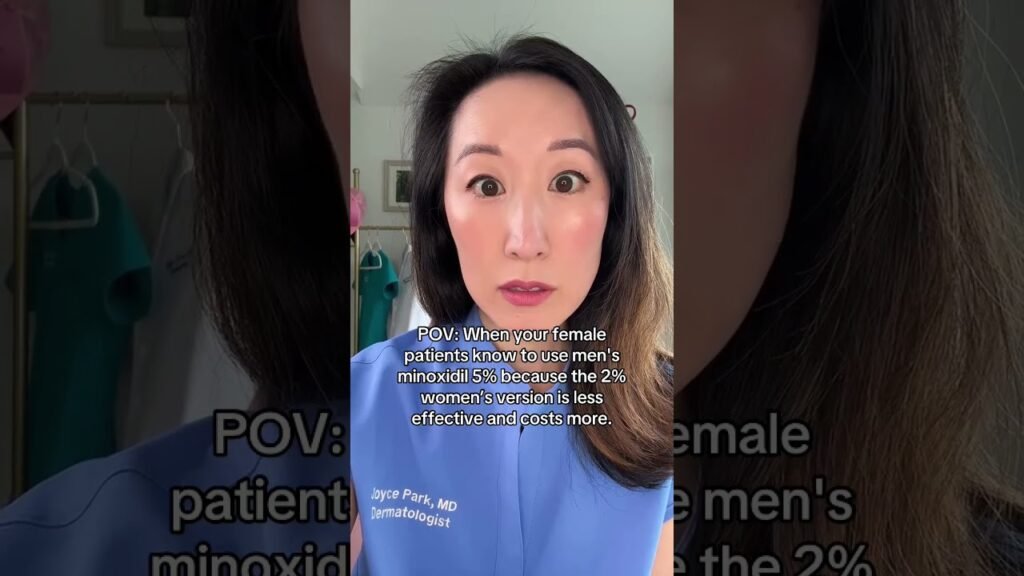
Understanding Minoxidil: 2% vs 5% Formulations for Women
When it comes to combating hair thinning and loss, Minoxidil is a popular choice among women seeking effective solutions. Available in two primary concentrations—2% and 5%—Minoxidil formulations cater to varying needs and preferences. The 2% formulation is traditionally recommended for women, offering a balanced approach that minimizes potential side effects while promoting hair growth. It’s often favored by those who are new to using hair growth treatments or who have sensitive scalps.
In contrast, the 5% formulation is typically more potent and is sometimes recommended for women experiencing more significant hair thinning or those who have not seen desired results with the 2% solution. While the 5% formulation can potentially yield faster and more noticeable improvements in hair density and coverage, it may also increase the likelihood of side effects such as scalp irritation or unwanted facial hair growth. Women considering this stronger formulation should consult with a healthcare provider to weigh the benefits against possible side effects.
Key Differences Between 2% and 5% Minoxidil for Women:
- Efficacy: The 5% solution generally offers more robust results, especially in cases of advanced hair thinning.
- Side Effects: Higher risk of irritation and side effects with the 5% formulation compared to the 2%.
- Usage: Both formulations require consistent, long-term use to maintain hair growth results.
Understanding these differences can help women make informed decisions about which Minoxidil concentration might be most appropriate for their individual hair care needs. Each formulation has its unique set of benefits and considerations, and the choice often depends on personal tolerance and desired outcomes.
Effectiveness of 2% Minoxidil for Women: What You Need to Know
Minoxidil, a topical treatment widely recognized for its efficacy in promoting hair regrowth, has become a popular choice among women experiencing hair thinning or loss. The 2% concentration of Minoxidil is specifically formulated for women and is available over-the-counter, offering a convenient solution for those looking to address hair loss issues. Clinical studies have shown that 2% Minoxidil can effectively stimulate hair growth and slow down the progression of hair thinning in women, particularly when used consistently over several months.
How 2% Minoxidil Works
Minoxidil works by revitalizing hair follicles and increasing blood flow to the scalp, which in turn encourages hair growth. The 2% solution is applied directly to the scalp, where it penetrates the skin and stimulates hair follicles that have entered a dormant phase. Users typically start noticing improvements after about four to six months of regular use, with many reporting not only new hair growth but also an increase in hair density. Its important to note that results can vary, and continued use is necessary to maintain the benefits.
What to Expect When Using 2% Minoxidil
When beginning treatment with 2% Minoxidil, women might experience some initial shedding, which is a normal part of the hair growth cycle as old hairs make way for new ones. This shedding phase is usually temporary, and patients are advised to continue with the treatment as prescribed. Its crucial for users to apply the solution consistently, twice a day, to achieve optimal results. Some women may experience side effects such as scalp irritation or dryness, but these are generally mild and manageable with proper scalp care.
Exploring the Benefits and Risks of 5% Minoxidil for Female Hair Loss
Minoxidil, particularly in its 5% concentration, has emerged as a popular treatment option for female hair loss. Originally developed for treating high blood pressure, it was discovered that minoxidil has a side effect of promoting hair growth. For women experiencing androgenetic alopecia, or female pattern hair loss, 5% minoxidil offers a potential solution to slow down hair thinning and encourage regrowth. Clinical studies have shown that 5% minoxidil can significantly increase hair count and density in women, making it a preferred choice over the 2% formulation.
However, while the benefits of 5% minoxidil are notable, it is crucial to consider the potential risks and side effects associated with its use. Common side effects may include scalp irritation, itching, and dryness. Some women might also experience unwanted facial hair growth due to the increased potency of the 5% solution. Its important for users to apply the product carefully and follow instructions to minimize these effects. In rare cases, more serious side effects like dizziness or swelling of the hands and feet can occur, and medical advice should be sought immediately if these arise.
For optimal results, consistency in application is key. Users are generally advised to apply the 5% minoxidil solution or foam twice daily. However, patience is essential, as noticeable improvements typically take several months to manifest. Additionally, discontinuing the treatment might lead to a reversal of its benefits, with hair loss resuming. Consulting with a healthcare professional before starting minoxidil is recommended to ensure it is an appropriate treatment option based on individual health profiles and to discuss any concerns regarding side effects.
Comparing Side Effects: Is 2% or 5% Minoxidil Safer for Women?
When considering minoxidil for hair regrowth, understanding the potential side effects of different concentrations is crucial, especially for women. The 2% minoxidil solution has been traditionally recommended for women due to its established safety profile. Common side effects at this concentration may include scalp irritation, itching, or dryness. These effects are generally mild and tend to diminish as the scalp adjusts to the treatment. However, some women might experience unwanted facial hair growth, which is usually reversible upon discontinuation of the product.
In contrast, the 5% minoxidil solution is often marketed towards men but is sometimes used off-label by women seeking more robust results. While it may offer increased efficacy, the higher concentration can also lead to more pronounced side effects. Women using the 5% solution may experience similar side effects as the 2% solution but with a potentially higher incidence rate. There is also a greater likelihood of experiencing more significant hair shedding during the initial phase of treatment, which can be alarming but is typically temporary.
To navigate the decision between these two concentrations, its important for women to weigh the potential benefits against the risks of side effects. Consulting with a healthcare provider can provide personalized guidance based on individual health profiles and hair loss severity. Additionally, monitoring the scalps reaction during the initial weeks of application can help determine the appropriate concentration for long-term use. Remember, while both solutions are effective, individual responses can vary, making it essential to tailor treatment to personal needs.
Choosing the Right Minoxidil Strength: Expert Advice for Women
When it comes to selecting the appropriate minoxidil strength, women often find themselves navigating a sea of options. The two most common strengths available are 2% and 5%, each catering to different needs and levels of hair loss severity. According to experts, the choice largely depends on the individuals hair loss pattern and skin sensitivity. Women with mild to moderate hair thinning might benefit from starting with the 2% solution, which is generally considered safe and effective for regular use without significant side effects.
Understanding the Differences Between 2% and 5% Minoxidil
The primary distinction between 2% and 5% minoxidil lies in their concentration levels, which can significantly impact their effectiveness and the risk of potential side effects. The 5% solution is known to promote quicker and more noticeable hair regrowth, making it a popular choice for those experiencing more advanced stages of hair thinning. However, experts caution that the higher concentration can also lead to increased skin irritation, dryness, or unwanted facial hair growth in some women. For those with sensitive skin, starting with the 2% solution and gradually increasing to 5% under medical supervision can be a prudent approach.
Consulting with a Dermatologist
Before making a decision, its crucial for women to consult with a dermatologist or a healthcare provider. These professionals can offer personalized advice based on a thorough assessment of ones scalp condition and hair loss progression. They may also recommend starting with a patch test to rule out any allergic reactions to minoxidil. A tailored treatment plan, which might include combining minoxidil with other hair growth therapies, can provide optimal results. Engaging with a healthcare professional ensures that women choose the right strength safely and effectively, paving the way for healthier hair regrowth.

