
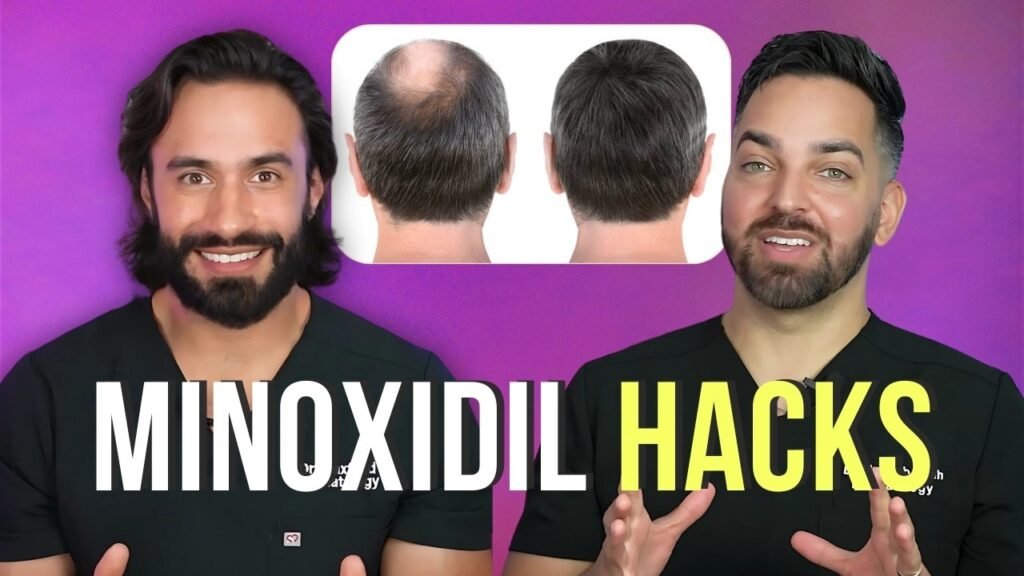
Understanding the Benefits of Combining Minoxidil and Shampoo
Combining Minoxidil and shampoo can offer a multifaceted approach to hair care, targeting both hair growth and scalp health. Minoxidil, a widely used topical solution, is renowned for its ability to stimulate hair follicles and promote regrowth. When integrated with a specialized shampoo, it can enhance the overall effectiveness of your hair care routine. This combination not only helps in addressing hair thinning but also ensures that your scalp remains clean and healthy, which is crucial for optimal hair growth.
Enhanced Absorption and Efficacy
One of the primary benefits of using Minoxidil alongside a compatible shampoo is the enhanced absorption of the active ingredient. A shampoo designed to cleanse and exfoliate the scalp can remove excess oils and dead skin cells, which may otherwise impede the penetration of Minoxidil. By ensuring a clean scalp environment, the shampoo allows Minoxidil to be more effectively absorbed, maximizing its hair regrowth potential. This synergy can be particularly beneficial for individuals experiencing significant hair thinning or pattern baldness.
Improved Scalp Health
Another advantage of combining these products is the improved health of the scalp. Many shampoos formulated for use with Minoxidil contain ingredients that soothe and nourish the scalp, such as biotin, keratin, and essential oils. These components can help reduce irritation and dryness, common side effects of Minoxidil use. A well-nourished scalp is less prone to issues such as dandruff and inflammation, creating a more conducive environment for hair growth. By addressing both hair and scalp health, this combination offers a holistic solution for those struggling with hair loss.
How to Safely Use Minoxidil with Your Daily Shampoo Routine
Integrating minoxidil into your daily shampoo routine can be a seamless process with a few simple steps. To start, ensure that you are using a gentle, sulfate-free shampoo that complements the effects of minoxidil. This helps in maintaining scalp health and reducing the risk of irritation. Before applying minoxidil, thoroughly cleanse your scalp with your chosen shampoo to remove dirt, oil, and any product buildup. This creates an optimal environment for minoxidil to be absorbed effectively.
Application Timing and Technique
Timing is crucial when using minoxidil alongside your shampoo routine. Apply minoxidil after shampooing and towel-drying your hair. This ensures that your scalp is clean and slightly damp, which can aid in the absorption of the treatment. Dispense the recommended dose of minoxidil onto your scalp, focusing on areas where hair thinning is most apparent. Use your fingertips to gently massage the product into your scalp, promoting better penetration and stimulating blood circulation.
Post-Application Care
Once minoxidil is applied, avoid washing your hair or exposing your scalp to water for at least four hours. This allows the treatment to be fully absorbed without being washed away prematurely. Its also important to refrain from using other hair products, such as styling gels or sprays, immediately after application to prevent interference with the absorption process. Maintaining a consistent routine by applying minoxidil twice daily, once in the morning and once at night, can yield the best results over time.
Expert Tips for Using Minoxidil and Shampoo Together
When integrating minoxidil into your hair care routine, its crucial to consider the timing and method of application for optimal results. Experts suggest applying minoxidil to a dry scalp, typically after washing your hair. This ensures that the scalp is clean and free from excess oil or product buildup, which can interfere with minoxidils absorption. After applying minoxidil, its recommended to wait at least four hours before washing your hair again. This waiting period allows the medication to penetrate the scalp effectively, maximizing its potential benefits.
Choosing the Right Shampoo
Selecting the appropriate shampoo is essential when using minoxidil. Experts recommend using a gentle, sulfate-free shampoo that wont irritate the scalp or strip away natural oils. Sulfate-free shampoos help maintain a healthy scalp environment, which is crucial for minoxidils efficacy. Additionally, consider shampoos that contain ingredients like ketoconazole or salicylic acid, as they can help reduce dandruff and inflammation, creating an optimal scalp condition for hair growth.
Consistency and Routine
Maintaining a consistent routine is vital when using minoxidil and shampoo together. Experts advise applying minoxidil twice daily, ideally in the morning and evening, and incorporating shampooing into your schedule in a way that supports this regimen. Consistency ensures that your scalp receives the continuous benefits of both the shampoo and minoxidil. Keeping a routine diary or setting reminders can help you stay on track and monitor any changes or improvements in your hair health.
Potential Side Effects of Mixing Minoxidil and Shampoo
When combining minoxidil with shampoo, its crucial to be aware of the potential side effects that may arise from this mixture. Minoxidil, a popular topical treatment for hair loss, is typically applied directly to the scalp. However, some individuals opt to mix it with shampoo for convenience. While this method may seem straightforward, its essential to understand the possible implications on both the scalp and hair health.
Scalp Irritation and Sensitivity
One of the most common side effects of mixing minoxidil with shampoo is scalp irritation. The active ingredient in minoxidil can cause redness, itching, or dryness when not applied as directed. When mixed with shampoo, which may contain additional chemicals and fragrances, the potential for irritation increases. Users with sensitive skin should be particularly cautious, as the combination may exacerbate these effects, leading to discomfort and the potential need to discontinue use.
Reduced Efficacy of Minoxidil
Another concern when mixing minoxidil with shampoo is the potential reduction in the treatments efficacy. Minoxidil is designed to be absorbed into the scalp, and its effectiveness can be compromised if not left on the skin for the recommended duration. When combined with shampoo, which is typically rinsed off quickly, there may not be sufficient time for the minoxidil to penetrate the scalp adequately. This could lead to suboptimal results in hair regrowth efforts, as the active ingredient might not have the chance to work as intended.
Unintended Hair Texture Changes
Mixing minoxidil with shampoo may also lead to unintended changes in hair texture. Some users report experiencing increased dryness or a change in how their hair feels after such a combination. Shampoos often contain surfactants and other compounds that can alter the properties of hair, and when combined with minoxidil, these effects might be intensified. This could result in hair that feels brittle or lacks the desired shine and smoothness, affecting overall hair aesthetics and manageability.
Choosing the Right Shampoo to Use with Minoxidil
When incorporating Minoxidil into your hair care routine, selecting the right shampoo is crucial to maximize its effectiveness. Minoxidil is a well-known topical treatment for hair loss, and the shampoo you choose can either enhance or hinder its benefits. Look for shampoos that are sulfate-free, as sulfates can strip the scalp of natural oils, potentially causing irritation or dryness that may interfere with Minoxidils absorption. Additionally, shampoos enriched with gentle, nourishing ingredients like aloe vera, chamomile, and vitamin E can soothe the scalp and create an optimal environment for hair growth.
Ingredients to Look For
To complement Minoxidil, consider shampoos that contain ingredients known for promoting scalp health and hair growth. Ketoconazole, for instance, is an antifungal agent that can help reduce scalp inflammation and dandruff, creating a healthier scalp environment. Biotin, a popular ingredient in hair care, can strengthen hair strands and support overall hair health. Shampoos with natural oils such as argan or jojoba oil can also be beneficial, as they provide moisture without weighing down the hair, helping to maintain a balanced scalp.
Shampoo Formulations to Avoid
While choosing a shampoo to use alongside Minoxidil, its equally important to be aware of formulations that might counteract its benefits. Avoid shampoos with heavy fragrances or harsh chemicals, as these can irritate the scalp and potentially reduce the effectiveness of Minoxidil. Additionally, steer clear of shampoos with a high alcohol content, as they can lead to excessive dryness. Instead, opt for products that are labeled as gentle or formulated for sensitive scalps to ensure they complement rather than conflict with your Minoxidil treatment.

