
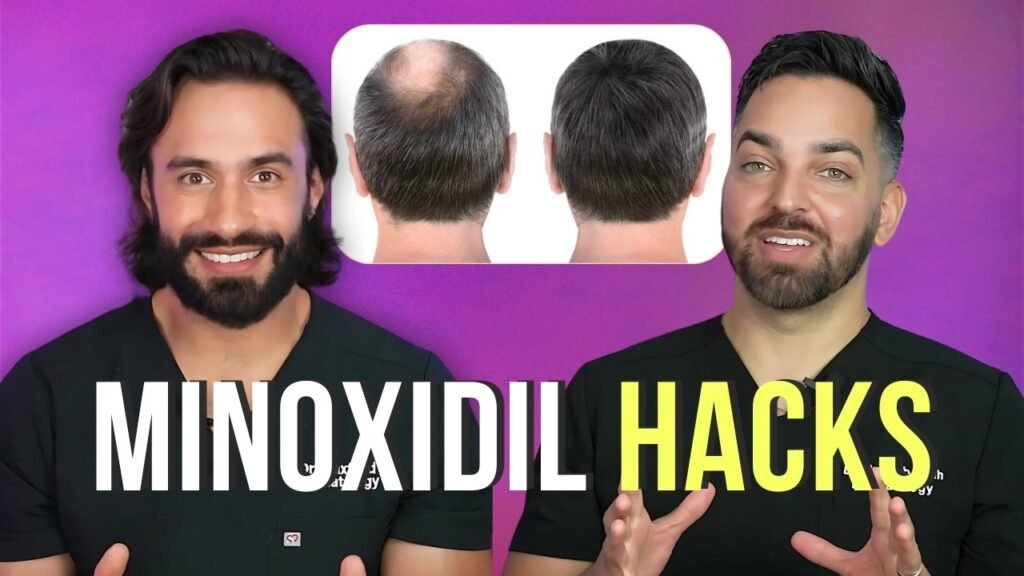
Understanding Minoxidil: What Is It and How Does It Work?
Minoxidil is a topical medication widely recognized for its effectiveness in treating hair loss. Originally developed as an oral medication for hypertension, its hair growth properties were discovered as a side effect. Today, minoxidil is primarily used to combat androgenetic alopecia, commonly known as male or female pattern baldness. Available over-the-counter in various concentrations, it offers a non-invasive solution for those experiencing thinning hair and receding hairlines.
How Does Minoxidil Work?
Minoxidil works by prolonging the anagen phase of the hair growth cycle, which is the active growth stage. It achieves this by enhancing blood flow to the hair follicles, supplying them with essential nutrients and oxygen. This process revitalizes shrunken hair follicles, thereby promoting hair regrowth and increasing hair density. The exact mechanism by which minoxidil stimulates hair growth is not fully understood, but its efficacy in increasing follicular size and hair shaft diameter is well-documented.
When applied to the scalp, minoxidil is absorbed into the skin, where it is converted into its active form, minoxidil sulfate. This transformation is crucial for its effectiveness, as minoxidil sulfate is believed to open potassium channels, which improves the function and survival of hair follicles. For optimal results, consistent application is necessary, as discontinuing use can lead to the resumption of hair loss.
The Benefits of Using Minoxidil for Hair Growth
Minoxidil is a popular choice for individuals seeking to combat hair loss and promote hair growth. One of the primary benefits of using Minoxidil is its proven effectiveness in stimulating hair follicles. By increasing blood flow to the scalp, Minoxidil helps to revitalize shrunken hair follicles, encouraging them to enter the anagen (growth) phase. This process not only aids in the regrowth of hair but also helps to thicken existing strands, providing a fuller and healthier appearance.
Clinically Proven Results
Another significant advantage of Minoxidil is its track record of clinical success. Numerous studies have demonstrated the efficacy of Minoxidil in promoting hair growth, particularly in cases of androgenetic alopecia, a common form of hair loss. Participants in these studies have shown substantial improvements in hair density and scalp coverage after consistent use. The Food and Drug Administration (FDA) has approved Minoxidil as a treatment for hair loss, further validating its effectiveness and safety for consumers.
Ease of Use and Accessibility
Minoxidils ease of use is another compelling benefit for those looking to incorporate it into their hair care routine. Available in both liquid and foam formulations, it can be easily applied to the scalp without the need for complicated procedures or professional assistance. This makes it an accessible option for many individuals, regardless of their lifestyle or budget. Additionally, Minoxidil is widely available over the counter, allowing users to conveniently purchase it without a prescription.
How to Use Minoxidil Shampoo Effectively
To use Minoxidil shampoo effectively, it is crucial to follow a consistent routine. Begin by wetting your hair thoroughly before applying the shampoo. Use a small amount of the product, usually the size of a quarter, and massage it gently into your scalp using your fingertips. This helps to ensure that the Minoxidil penetrates the scalp, where it can work to stimulate hair follicles. Let the shampoo sit for a few minutes to maximize absorption before rinsing thoroughly with lukewarm water.
Frequency of Use
For optimal results, it is recommended to use Minoxidil shampoo regularly. Most users find that applying the shampoo two to three times a week is effective, but this can vary depending on individual needs and the specific product instructions. Consistency is key, as irregular use may not yield the desired results. If you experience any scalp irritation, consider reducing the frequency or consulting with a healthcare professional.
Complementary Hair Care Practices
In addition to using Minoxidil shampoo, consider incorporating complementary hair care practices to enhance its effectiveness. Avoid using harsh hair styling products that can weigh down the hair or cause buildup on the scalp. Instead, opt for lightweight, nourishing products that support hair health. Additionally, maintaining a balanced diet rich in vitamins and minerals can support hair growth and overall scalp health, working synergistically with Minoxidil shampoo for the best results.
Comparing Minoxidil Shampoo to Other Hair Loss Treatments
When exploring hair loss solutions, Minoxidil shampoo often emerges as a popular choice due to its dual functionality of cleansing the scalp while delivering the active ingredient, Minoxidil. This compound is renowned for its ability to stimulate hair follicles and promote regrowth. In contrast, traditional Minoxidil topical solutions are applied directly to the scalp, requiring careful application to avoid runoff and ensure efficacy. The shampoo form can simplify this process, allowing for seamless integration into daily routines, but it may not offer the same concentration level as direct topical applications.
Effectiveness and Ease of Use
Comparing Minoxidil shampoo to other treatments such as finasteride or laser therapy, users often weigh the convenience and ease of use. Finasteride, an oral medication, is effective but comes with potential side effects, including sexual dysfunction, which some users find concerning. Laser therapy, on the other hand, is non-invasive and generally safe but requires a significant time commitment and can be costly. Minoxidil shampoo offers a middle ground—its easy to use and incorporate into daily hygiene routines, though it may require consistent long-term use to see visible results.
Cost and Accessibility
Cost is another factor that influences the choice of hair loss treatments. Minoxidil shampoo is generally more affordable and accessible compared to laser treatments, which often require specialized devices and professional oversight. While finasteride is available through prescription, it can be costlier in the long run due to the necessity of ongoing use. Minoxidil shampoo, available over-the-counter, presents a budget-friendly alternative, although its effectiveness may vary based on individual hair loss patterns and underlying causes.
Frequently Asked Questions About Minoxidil and Shampoo Use
Can I Use Shampoo After Applying Minoxidil?
Yes, you can use shampoo after applying minoxidil, but it is crucial to wait at least 4 hours before washing your hair. This waiting period ensures that the minoxidil has enough time to be absorbed into the scalp effectively. Washing your hair too soon after application may reduce the effectiveness of the treatment as it can wash away the product before it has had the chance to penetrate the scalp.
How Often Should I Wash My Hair When Using Minoxidil?
The frequency of washing your hair while using minoxidil largely depends on your hair type and personal preferences. However, it is generally recommended to wash your hair no more than once a day to avoid stripping the scalp of natural oils that can aid in the absorption of minoxidil. Using a gentle, sulfate-free shampoo can also help maintain scalp health and prevent irritation, which is particularly important when undergoing any hair regrowth treatment.
What Type of Shampoo Should I Use with Minoxidil?
When using minoxidil, its advisable to choose a shampoo that is mild and free from harsh chemicals like sulfates and parabens. Opt for shampoos that are formulated for sensitive scalps or those specifically designed for use with hair regrowth treatments. Ingredients such as biotin, caffeine, and keratin can be beneficial as they support hair health and may complement the effects of minoxidil. Always perform a patch test with any new shampoo to ensure it does not cause any adverse reactions when used in conjunction with minoxidil.

