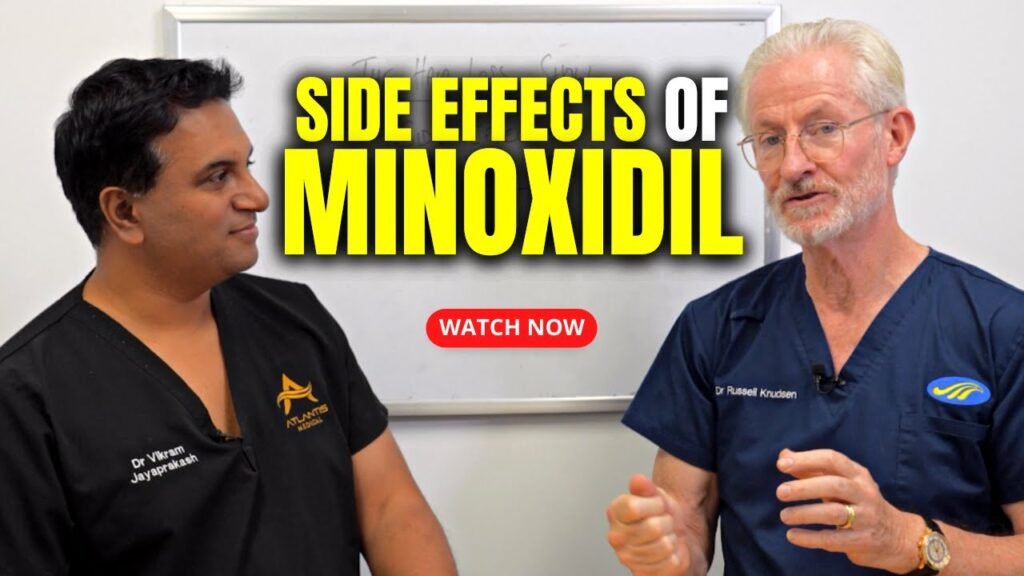
Understanding Scalp Irritation from Minoxidil: Common Causes
Minoxidil is a popular treatment for hair loss, but it can sometimes cause scalp irritation in users. This irritation can manifest as itching, redness, or flaking of the scalp. Understanding the common causes of these reactions can help users manage or prevent discomfort while using the product. One of the primary causes of scalp irritation from minoxidil is the presence of alcohol and propylene glycol in the solution. These ingredients, while essential for the effectiveness and absorption of the treatment, can be drying and irritating to sensitive skin.
Allergic Reactions
An allergic reaction to minoxidil itself or any of its components is another common cause of scalp irritation. Individuals with sensitive skin or known allergies may experience heightened reactions, including severe itching, redness, or even rash. If an allergy is suspected, its crucial to perform a patch test before applying the product extensively. This test can help determine if the irritation is due to an allergic response, allowing users to seek alternative formulations or treatments.
Improper Application
Improper application techniques can also lead to scalp irritation. Overusing the product or applying it to broken or sensitive skin can exacerbate irritation. Its essential to follow the recommended dosage and ensure that the scalp is healthy before application. Additionally, not allowing the product to dry properly before using other hair products or tools can trap moisture and chemicals against the scalp, increasing the likelihood of irritation. By understanding and addressing these common causes, users can minimize discomfort and improve their experience with minoxidil.
How Minoxidil Works and Its Effects on the Scalp
Minoxidil is a well-known topical treatment for hair loss, particularly effective in addressing androgenetic alopecia, or male and female pattern baldness. The primary mechanism through which minoxidil operates is by prolonging the anagen phase of the hair growth cycle. By doing so, it stimulates hair follicles to enter this growth phase sooner and remain there longer, leading to increased hair density and thickness. This vasodilator effect also enhances blood circulation in the scalp, ensuring that hair follicles receive the necessary nutrients and oxygen to promote robust hair growth.
When applied to the scalp, minoxidil is absorbed through the skin and converted into its active form, minoxidil sulfate, by sulfotransferase enzymes present in the hair follicles. This conversion is critical, as the active form is responsible for its therapeutic effects. As a result, users may notice an initial increase in hair shedding, which is a normal part of the process as old hairs are pushed out to make way for new growth. Over time, continued use of minoxidil can lead to visible improvements in hair coverage and texture.
However, its important to note that minoxidils effectiveness can vary from person to person, largely depending on the degree of hair loss and individual scalp characteristics. Some common side effects on the scalp may include itching, dryness, and irritation, which can often be managed by adjusting the frequency of application or using a moisturizer. Consistent application is key, as discontinuing the treatment typically results in a gradual return to the pre-treatment state of hair loss. Regular use not only supports sustained hair growth but also helps maintain the health and condition of the scalp.
Identifying Symptoms of Scalp Irritation from Minoxidil
Understanding the signs of scalp irritation caused by Minoxidil is crucial for anyone using this popular hair regrowth treatment. While Minoxidil is generally safe for most users, some individuals may experience adverse reactions, particularly on the scalp. Recognizing these symptoms early can help prevent more severe issues and ensure that your treatment continues smoothly.
Common Symptoms to Watch For
Redness and Itching: One of the most prevalent symptoms of scalp irritation from Minoxidil is redness accompanied by persistent itching. This reaction can occur soon after application and might intensify with continued use. The scalp may appear inflamed or feel warm to the touch, indicating that the skin is reacting negatively to the treatment.
Flaking and Dryness: Another symptom to be aware of is excessive dryness leading to flaking. Users might notice dandruff-like flakes on their scalp or in their hair, often accompanied by a feeling of tightness. This dryness can result from the alcohol content in Minoxidil formulations, which can strip moisture from the scalp.
Severe Reactions
In some cases, individuals may experience more severe symptoms such as blistering or swelling. These reactions are less common but require immediate attention. If you notice any swelling of the face or hands, difficulty breathing, or severe burning sensations, it is essential to seek medical advice promptly, as these could indicate a serious allergic reaction. Monitoring your scalps condition regularly can help in identifying any adverse effects early, allowing for timely intervention and modification of your hair regrowth regimen.
Preventing and Managing Scalp Irritation Caused by Minoxidil
Experiencing scalp irritation is a common side effect for those using minoxidil, a popular treatment for hair loss. To prevent and manage this discomfort, it is crucial to follow a few strategic steps. First, consider the formulation of minoxidil youre using. Switching from a higher concentration, such as 5%, to a lower one, like 2%, can significantly reduce irritation. Additionally, opting for a foam version instead of a liquid solution may be beneficial, as the foam is typically alcohol-free, which can minimize dryness and irritation.
Proper Application Techniques
Applying minoxidil correctly can also help mitigate scalp irritation. Ensure your scalp is clean and dry before application to prevent any adverse reactions. Use only the recommended amount, and gently massage the product into the scalp with your fingertips, avoiding vigorous rubbing that can exacerbate irritation. Allow the solution to dry completely before styling your hair or going to bed to reduce the risk of further irritation.
Additional Preventative Measures
Incorporating additional scalp care practices can aid in managing irritation. Using a gentle, sulfate-free shampoo and conditioner can help maintain scalp health without stripping away natural oils. Moisturizing your scalp with a lightweight, non-comedogenic oil, such as argan or jojoba oil, can also provide relief and prevent dryness. If irritation persists, consider consulting a dermatologist for personalized advice or alternative treatment options.
Alternative Solutions for Hair Growth Without Scalp Irritation
When it comes to promoting hair growth without causing scalp irritation, exploring natural and gentle alternatives can be a game-changer. Many commercial products contain harsh chemicals that can lead to dryness, redness, and discomfort. However, there are effective options that can help you achieve healthier hair without compromising scalp health.
Natural Oils and Their Benefits
Incorporating natural oils into your hair care routine can significantly enhance hair growth while maintaining a healthy scalp. Coconut oil, for example, is renowned for its ability to penetrate the hair shaft, providing deep nourishment and moisture. It also contains lauric acid, which has antimicrobial properties that help keep the scalp healthy. Castor oil is another popular choice, known for its high ricinoleic acid content that promotes blood circulation to the scalp, thereby encouraging hair growth. Applying these oils as a pre-shampoo treatment or overnight mask can yield noticeable results without irritation.
Herbal Infusions and DIY Treatments
Herbal infusions are a gentle yet effective way to support hair growth. Rosemary and peppermint are two herbs known for their stimulating properties. A simple DIY treatment involves steeping these herbs in hot water to create a potent rinse that can be used after shampooing. This not only invigorates the scalp but also leaves a refreshing scent. Additionally, aloe vera gel is a soothing alternative that can be applied directly to the scalp. Its natural enzymes promote healthy hair follicles while reducing any inflammation or irritation.
Adopting these alternative solutions for hair growth can lead to healthier hair and a happier scalp. By focusing on natural ingredients and gentle treatments, you can avoid the pitfalls of harsh chemicals and enjoy the benefits of natures best offerings.