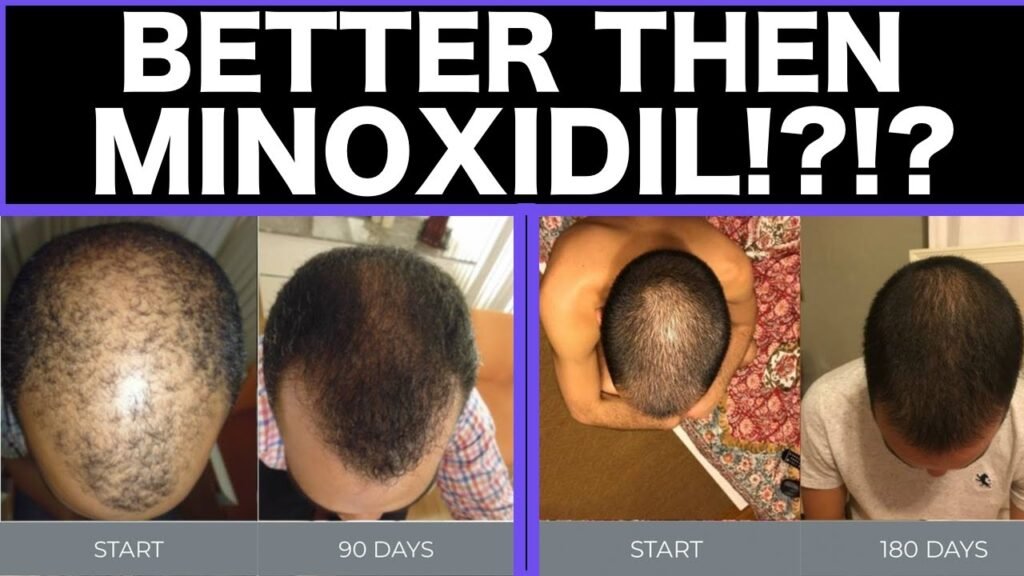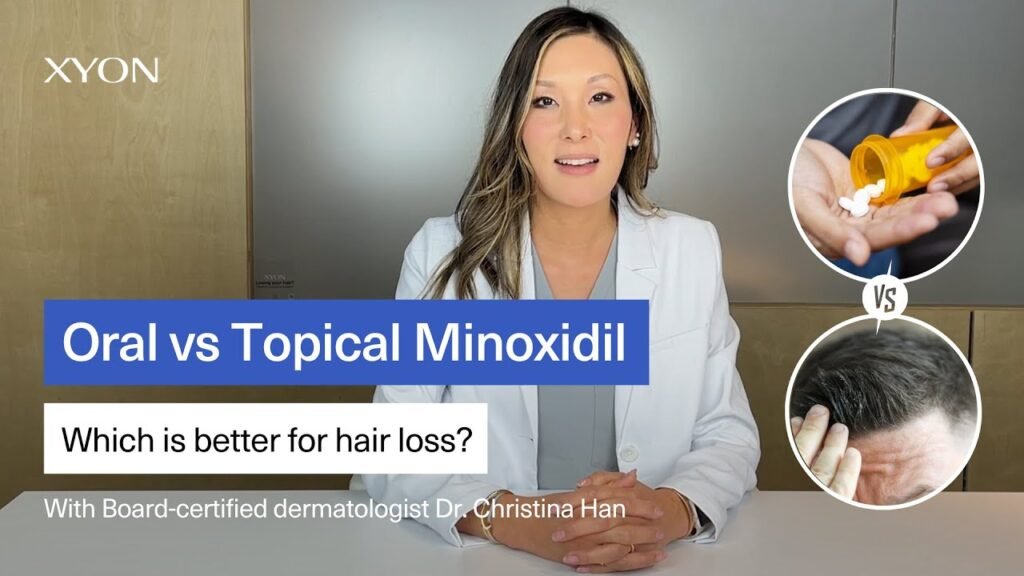
What’s the difference between Oral minoxidil vs topical
When it comes to addressing hair loss, both oral and topical minoxidil are popular treatments, but they differ significantly in their method of application and how they work within the body. Oral minoxidil is ingested in pill form and works systemically, meaning it affects the entire body. It was initially developed as a medication for hypertension, but one of its side effects, increased hair growth, led to its use in treating hair loss. On the other hand, topical minoxidil is applied directly to the scalp in liquid or foam form, targeting the hair follicles directly without systemic effects.
Effectiveness and Usage
The effectiveness of oral vs. topical minoxidil can vary depending on the individual. Oral minoxidil tends to be more potent and can be more effective for those who do not respond well to topical treatments. However, due to its systemic nature, it can have more side effects, such as changes in blood pressure and unwanted hair growth in other areas. Topical minoxidil, while generally less potent, is often the first line of treatment for hair loss due to its localized application and lower risk of systemic side effects. It is typically used twice daily and is available over the counter in various concentrations.
Side Effects and Considerations
When considering these treatments, its important to weigh the potential side effects. Oral minoxidil can cause side effects like fluid retention, heart palpitations, and dizziness, which may not be suitable for everyone, especially those with cardiovascular issues. Topical minoxidil is generally well-tolerated, with side effects mostly limited to scalp irritation, dryness, or itching. However, individuals with sensitive skin should approach with caution. Its crucial to consult with a healthcare professional to determine the most appropriate treatment based on individual health conditions and hair loss patterns.